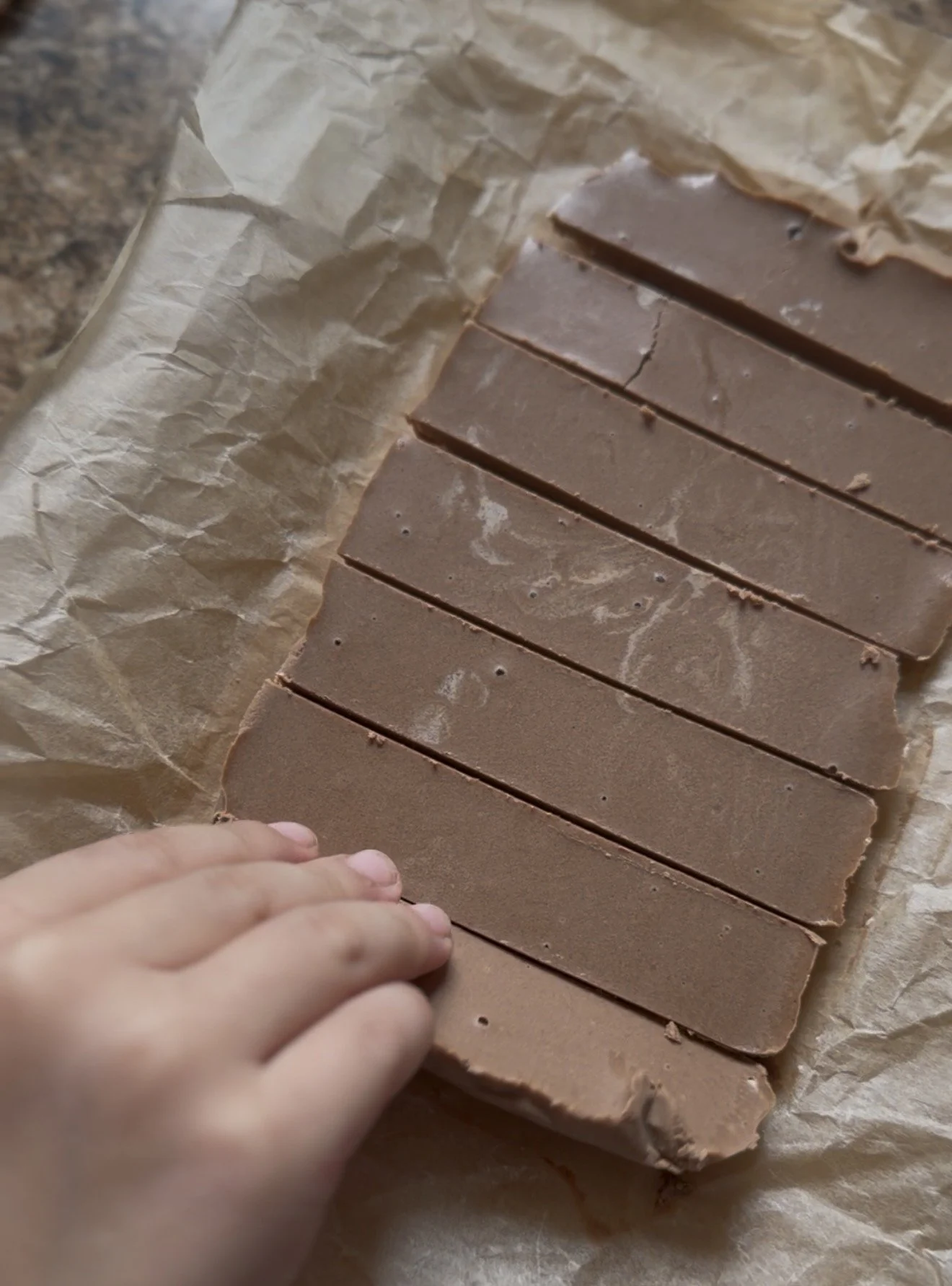
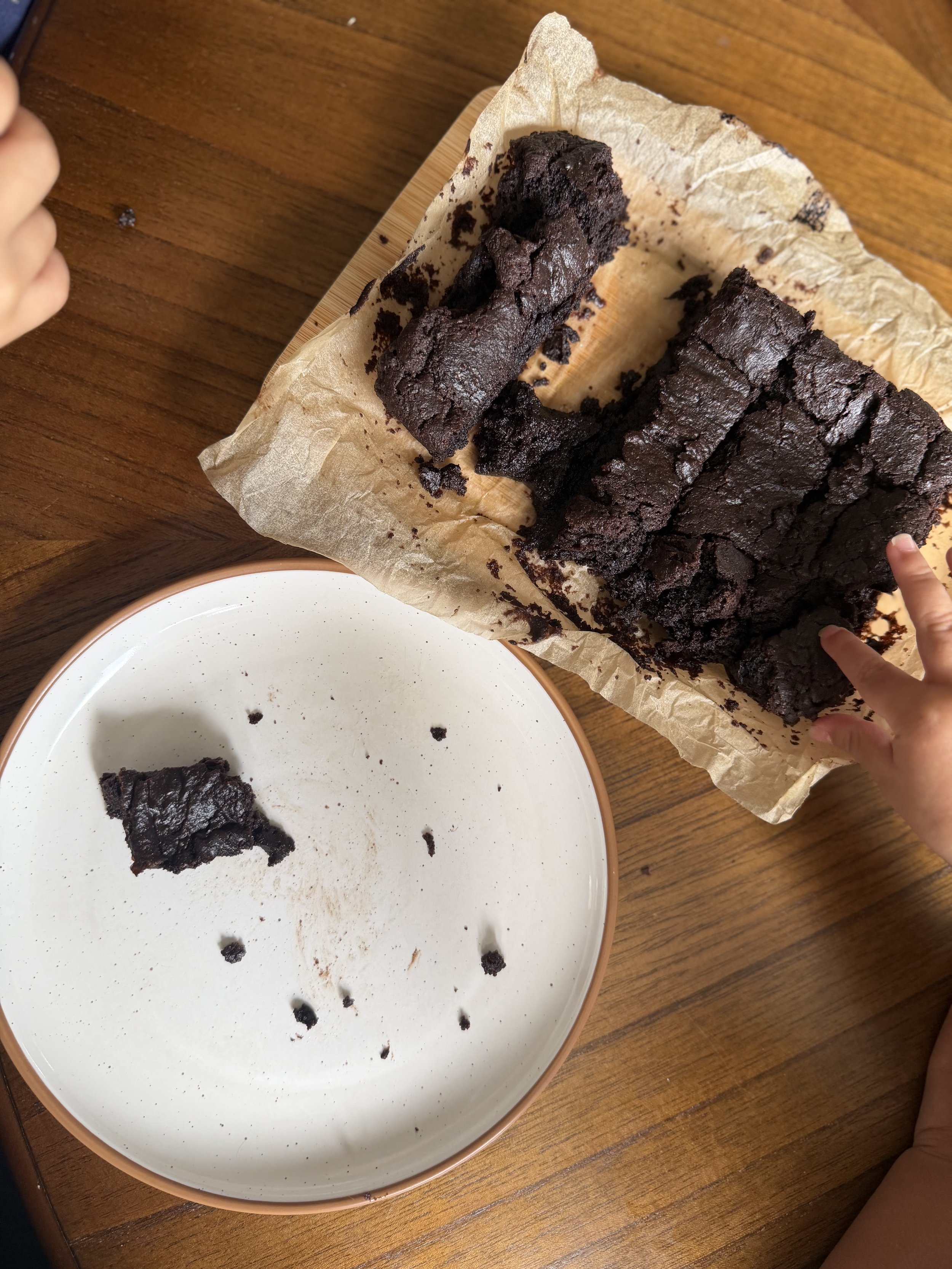
Gut-Healthy Korean Tangerine Mochi (찹쌀떡) with Fresh Jeju Tangerine Juice – No Sugar, Naturally Nourishing
This Korean Jeju Tangerine Mochi is made with Fresh Squeezed Unheated Tangerine Juice by Nenia—100% pure Jeju fruit with no additives, no sugar, and no sterilization. Paired with coconut cream, sweet coconut ginger mungbean and soft mochi dough, it’s a gut-healthy, vitamin-rich treat perfect for kids and anyone wanting a naturally nourishing dessert.
Naturally orange Korean mochi made with fresh unpasteurized Jeju tangerine juice — no dyes, no refined sugar.
If you’re looking for a gut-friendly Korean dessert that’s soft, chewy, gut/skin-supporting, and naturally sweet without adding any refined sugar, this Korean Tangerine Mochi is the perfect whole-food treat.
My recipe highlights KimC Fresh Squeezed Jeju Tangerine Juice, made by Nenia, one of Korea’s most respected clean-ingredient brands known for producing premium school foods and running the Michelin-recognized restaurant (꽃, 밥에 피다).
Unlike typical store-bought juices—which are pasteurized, oxidized, nutrient-stripped, and essentially vitamin-C-void sugar water—This Jeju Tangerine Juice is:
100% Pure Jeju Tangerine
Cold-squeezed
Never sterilized (meaning the vitamin C and enzymes remain intact)
Zero sugar added
Zero additives
Zero concentrates or fillers
This makes it one of the cleanest, most nutrient-dense juices— this is a really cool find for eczema-prone kids who need anti-inflammatory, refined sugar free, vitamin-rich foods (and treats once in a while!)
Combined with coconut cream, soaked & soured mungbeans, and antioxidant-rich tangerines, my Korean-style mochi delivers gentle sweetness, prebiotics, soothing healthy fats, protein, and vitamins that support digestion and skin health.
Why This Version Is Extra Gut-Healthy
1. No Refined Sugar actually sweetened by nature.
Refined sugar feeds inflammation and disrupts gut balance. This recipe relies solely on
the natural sweetness of pure Jeju Tangerine (unheated) Juice, helping regulate digestion and minimize eczema flare triggers.
2. Fresh Unheated Tangerine Juice = Real Vitamin C & Real Color
Most commercial juices are pasteurized at high temperatures—destroying vitamin C, beneficial enzymes, and polyphenols.
This unsterilized Juice Tangerine Juice retains:
naturally occurring vitamin C
bioavailable antioxidants
digestive enzymes
real citrus flavor & vibrancy (no food dyes here)
Perfect for tender tummies and immune support.
3. Coconut Cream = Skin + Gut Supporting Fats
Coconut provides medium-chain triglycerides (MCTs) that are easy on digestion and help support the gut lining—great for sensitive kids.
4. Sweet White Rice = Gentle, Low-Irritant Carbohydrate
Naturally gluten-free and easy to digest, making it a family-friendly dessert.
INGREDIENTS
Servings: 2 large mochi filled with sweet red bean paste and fresh, tangy tangerine halves
For the Mochi Wrapper
100 g sweet white rice flour
100 ml KimC Fresh Squeezed Jeju Tangerine Juice (beneficial enzymes & vitamins in tact)
0 g refined sugar (I’m very intentional about this for gut health; sweetness from nature’s candy a.k.a. fruit & honey is the best sweet treat in my humble opinion)
For Dusting
Arrowroot starch – gentle on digestion
For the Filling
1 Can 100% coconut milk, refrigerate overnight — scoop out the top solid cream layer
1 tangerine (½ small tangerine per mochi)
Optional
cooked & mashed mungbeans (I prefer this over adzuki beans, which can cause calcification stones/gout/etc)
METHOD1/2 cup of organic mungbeans soaked & soured over night
rinse well, combine with 1 can of full fat coconut milk, 1cm knob of ginger, and salt)
pressure cook in IP for 15 min
mash cooked mungbeans w/ 1 tbsp Raw organic honey, for a sweet, immune boosting drizzle
METHOD
1. Mix the Mochi Batter
In a bowl, whisk together sweet white rice flour and a pinch of sea salt.
Pour in Fresh Tangerine Juice while stirring continuously until a smooth batter forms.
The color will be a beautiful natural citrus orange.
I love that no sugar/coloring needed— juice is naturally citrus-y/vibrant.
2. Steam the Mochi Dough
*Scroll Down If You Prefer Saucepan Method
Line a heatproof bowl with a sheet of non-toxic parchment paper. More than you think you’ll need because you’ll use it as a lid
Pour the batter in
Seal up / cover your mochi dough with the non-toxic parchment paper.
Steam for 20 minutes on medium heat.
Once translucent and glossy, remove from heat.
Knead, fold, and work the dough inside the parchment paper.
3. Knead the Mochi More
Once warm and safe to touch, lightly oil your hands with
Stretch the dough, fold it, stretch again—repeat until it becomes glossy, smooth, and elastic.
4. Prepare the Work Surface
Dust a board / parchment paper with arrowroot.
Place dough down and dust the top as well.
Place a 2nd sheet of parchment paper on top of the dough (to prevent it from sticking to your rolling pin).
Roll into a 1/8-inch thick sheet, keep thickness even.
Slice mochi sheet in half.
5. Make the Filling
Scoop the solid coconut cream into a cold mixing bowl.
Whip using a whisk or electric mixer until light and fluffy.
Peel fresh tangerine — peel into halves.
Optional: pack smashed sweet beans onto the tangerine’s flat half side.
6. Cut & Fill the Korean Tangerine Mochi
Add a dollop of whipped coconut cream in the center.
Add ½ a tangerine segment per wrapper sheet.
Gather the edges of the mochi wrapper and pinch to seal.
7. Chill Briefly & Serve
Place finished mochis on a tray.
Chill for 10 minutes to make slicing and handling easier.
Slice in half to reveal the beautiful internal layers. Serve chilled.
Soft, creamy, chewy, citrusy-bright treat—with absolutely no refined sugar.
It’s a sweet, chewy, and tangy explosion experience, enhanced with a gut-loving mungbean filling.
*SAUCEPAN METHOD:
Cook Mochi Directly in Saucepan
(For those with no Steamer)
1. Mix the Batter
Whisk the rice flour + pinch of salt.
Add tangerine juice and whisk until perfectly smooth.
2. Cook Mochi on the Stovetop
This replaces the steaming step.
IMPORTANT TIP for enameled cast iron users like myself
Use LOW heat only — enameled cast iron retains heat and burns starch easily.
Use a wooden tool or spatula for constant scraping of the bottom + sides.
Do not walk away: this method only works with continuous stirring.
How to Cook
Pour the batter into your saucepan.
Turn heat to low.
Stir continuously in slow, firm strokes, scraping the entire bottom and edges.
After 5 minutes, it will begin thickening into a custard-like paste.
Continue cooking ~7 more minutes until:
It becomes shiny
It turns stretchy
It pulls away from the sides as a cohesive mass
Total cooking time: ~12-15 minutes depending on heat.
How to Know It's Fully Cooked
It should look translucent, glossy, thick, and elastic — same as steamed mochi.
No wet batter streaks should remain.
If it sticks slightly to the enamel, don’t worry — keep scraping gently and it will release as it thickens.
3. Knead the Mochi
Transfer the hot mochi to a lightly dusted parchment sheet.
Coat hands with coconut oil or tallow.
Fold, stretch, and knead for 5 minutes until uniformly smooth.
4. Prepare the Work Surface
Dust your board or parchment with arrowroot flour.
Flatten or roll the dough to 1/8-inch thickness.
5. Make the Filling
Whip the chilled coconut cream.
Prepare peeled tangerine segments.
Optional honey sweetened mungbeans.
6. Cut & Fill
Cut batter in half.
Fill with whipped coconut cream + ½ segment of tangerine.
Pull sides together and pinch closed. Roll it into a ball to flatten out the creases.
7. Chill 10 Minutes & Serve
Chill to firm slightly.
Serve cold, soft, creamy, chewy, and naturally bright ♡
Recommended success trick:
If sticking becomes a problem, add ~2 tsp coconut oil to the batter before cooking — this reduces adhesion in enamel pots.
A Note on JUICE
I use this Fresh Squeezed Jeju Tangerine Juice because it is never pasteurized, meaning the vitamin C, enzymes, and antioxidants remain intact. I personally do not support pasteurized juices, as they are nutritionally void and behave more like syrup — especially problematic for anyone managing inflammation, gut imbalance, or skin conditions.
If you’d like to try the same juice I use, you can save $5 USD with code MUMWITHABUN on orders over $49 USD.
Gut-Nourishing Purple Sweet Potato Mochi Roll
This gut-nourishing Purple Sweet Potato Mochi Roll is naturally gluten-free, refined sugar-free, and filled with antioxidant-rich purple sweet potato. A soothing, anti-inflammatory treat perfect for digestion and eczema-prone kids—soft, chewy, and sweetened only by whole foods.
Soft, chewy mochi filled with creamy purple sweet-potato goodness—made with only whole-food ingredients. As always with gut health, skin health, eczema and sensitive stomachs in mind.
INGREDIENTS
For the Mochi Dough
1½ cups sweet white rice flour — 200g
(If making your own from organic rice, see below.)100% coconut milk — 180 ml
A splash of water as needed — 15ml
1 tbsp grass-fed tallow*
A pinch of sea salt
No sugar in the dough
(Optional: drizzle raw organic honey* on the slices after rolling.)
For the Filling
2 small purple sweet potato — approx. 250 g raw (about 200 g cooked/peeled)
1 scoop grass-fed Be Well By Kelly Vanilla Protein* (code MUMWITHABUN)
Splash of coconut milk (if needed)
For Dusting
Desiccated coconut (optional)
(If coconut-allergic: use lightly toasted glutinous rice flour.)
How to Make Glutinous/Sweet Rice Flour From Scratch (Using Organic Rice)
While mochiko is convenient and traditionally made from glutinous (sticky) rice, you can create a similar flour at home to ensure it is easy to digest & lower in arsenic / pesticides:
Measure 1½ cups organic rice (this yields roughly the same amount of flour).
Soak & Sour for 4-6 hours. (Follow Steps 1-4 here)
Rinse and drain well.
Spread the rice on an organic cotton cloth and let it air-dry completely. (30 min.)
Grind in a high-speed blender until it becomes an ultra-fine flour.
Sift to remove any coarse grains. Grind remaining coarse grains.
Note: Homemade rice flour won’t be as sticky as true glutinous rice flour, so your mochi will be slightly less stretchy; even more nutritious, delicious, and a bit firmer.
METHOD
1. Prepare the Purple Sweet Potato Filling
Steam the sweet potato in a double steaming pot, for 30 min, until completely mashable.
Peel and mash the potato until smooth.
Mix in scoop of Be Well By Kelly Grass-Fed Vanilla Protein* — adds a touch of sweetness via the ground up organic monkfruit + gut-healing support via naturally occurring collagen!
If the sweet potato mash feels dry, add a small splash of coconut milk.
Set aside to cool.
2. Make the Mochi Dough
In a heat-safe bowl, whisk together:
1½ cups sweet white rice flour
180 ml coconut milk
pinch of salt
The mixture will be thick and sticky.
Line the bowl with non-toxic parchment paper (this makes the kneading step easier).
Pour mochi batter into lined bowl and cover with parchment paper
Place in your double-steam setup and steam for 30 minutes, or until the dough is shiny, translucent, and bouncy when pressed.
Carefully remove from the steamer. Let it cool just enough to handle.
3. Knead & Shape the Dough
Melt tallow into the dough while it’s warm.
Oil your hands.
Using the parchment paper as your work station, stretch the warm mochi, fold it, press, knead and stretch again. Repeat until it forms a soft, smooth dough ball.
4. Roll & Fill
Spread & roll the dough into a rectangle about 1/8 inch thick over parchment paper.
Tip: If it’s too sticky, sandwich the dough ball between 2 parchment papers before rolling it.Dust your work surface / separate parchment paper generously with desiccated coconut
(coconut-free option: arrowroot flour).Lay the mochi sheet on top of the dusted parchment paper.
Spread the purple sweet potato filling on top of the mochi sheet.
Option: sprinkle a dash of cinnamon at this step to make it a “cinnamon roll” (;
Starting from the edge, roll tightly into a log.
Use parchment paper to further tighten the log.
5. Slice & Serve
Use unflavored, plastic free dental floss to slice clean pieces.
Serve immediately or refrigerate in airtight glass container up to 3 days.
My favorite way to reheat this is to air fry it at 350°F for 5 minutes the outside gets perfectly crispy and the inside gets beautifully chewy again!
Optional: drizzle raw honey on each slice just before serving for a naturally sweet finish.
STORAGE
How to Store Your Purple Sweet Potato Mochi Roll
Mochi is at its softest on the day it’s made, but this roll keeps beautifully with the right care:
Room Temperature
Not recommended, as fresh sweet potato filling can soften too much and affect texture.
Refrigerator (best option)
Store the sliced mochi roll in an airtight glass container.
Best enjoyed within 2–3 days for optimal chewiness and freshness.
If the outer layer firms up slightly in the fridge, you can let it rest at room temp for 10–15 minutes before eating.
Freezer
Freezing is possible but not ideal—the texture becomes more brittle.
If you must freeze: wrap each slice individually and store for up to 1 month. Thaw in the fridge overnight.
*Ingredient Note & Discount Code
If you’d like to make this recipe exactly the way I do, the grass-fed vanilla protein, grass-fed/finished tallow and raw organic honey I use are all linked in the post.
Save when opting for these gut-friendly staples by using code MUMWITHABUN— a small yet impactful way to support gut health / those wanting the cleanest, most nourishing ingredients.
Purple Sweet Potato Mochi Swirl - A dessert that actually loves your gut.
Why this dessert is a “healing food”
1. Sweet Rice Flour
(especially if soaked & soured / if you make your own)
Naturally gluten-free and low gut irritant
Rich in prebiotic starches (resistant starch forms when cooled → supports gut bacteria and butyrate production)
Soaked/soured rice → reduced phytic acid, easier digestion, enhanced mineral availability
Provides steady, slow-burning carbs when paired with fats + protein
Healing benefit: gentle on digestion, supportive of gut bacteria, easy for sensitive tummies (kids + eczema-prone included).
2. 100% Coconut Milk
Contains MCTs → rapidly absorbed, supports mitochondrial energy, antimicrobial
Supports the gut lining with soothing fats
Stabilizes blood sugar when combined with carbs
Healing benefit: nourishes the gut lining and helps maintain hormonal and metabolic balance.
3. Grass-Fed & Finished Tallow
Rich in fat-soluble vitamins (A, D, K2)
Provides stable saturated fats that reduce blood sugar spikes
Anti-inflammatory profile when from a grass-fed source
Healing benefit: supports hormone regulation, skin barrier repair, and immune support!
4. Okinawa / Purple Sweet Potato Filling
High in anthocyanins → potent antioxidants for brain and skin health
Contains soluble fiber for digestion + microbiome health
Low glycemic when combined with fat/protein
Healing benefit: antioxidant-rich, gut-soothing, nutrient-dense carbohydrate.
5. Grass-Fed Protein Powder (Be Well By Kelly)
Adds complete protein to balance the carb content
Slows glucose absorption → keeps this dessert blood-sugar-friendly
Collagen-rich → supports gut wall repair (which is literally made of collagen) - so important for my eczema friends!
Chemical-free (this protein powder is extracted with heat & water only - like bone broth!)
Healing benefit: stabilizes blood sugar, supports gut repair, helps satiety.
6. Raw Honey (optional drizzle)
Contains vitamins, minerals, enzymes, polyphenols, and natural antimicrobials
Helps satisfy sweetness cravings while providing trace nutrients
Healing benefit: functional, whole-food sweetness — not to mention it’s time tested medicinal properties.
7. No Refined Sugar, No Additives, No Seed Oils
This is where the “healing dessert” concept comes to life.
By removing the major irritants (refined sugar + seed oils + gums + fillers), you find in most desserts (i.e. soy milk, refined sugar, etc) we eliminate the typical inflammatory dessert triggers and swapped them for gut health supporting ingredients. Our ancestors would be so proud.
Gut-Friendly Korean Yakbap (No Refined Sugar, No Seed Oils, Traditional Version)
This nourishing traditional Yakbap skips the refined sugar, seed oils, and overheated honey—giving you a glossy, chewy, low-inflammatory treat perfect for kids with eczema or anyone on a gut-healing journey.
Traditional Korean sticky rice dessert redone without soy, inflammatory seed oils, or refined sugars.
This version is everything you want from Yakbap—subtle-y sweet, comforting, medicinal—but rebuilt for gut health.
YakBap is traditionally sticky & quite sweet—but most modern versions rely on refined sugar, seed oils, soy sauce, artificial “honey,” and over-cooked syrups that strip nutrients and spike inflammation.
What Makes This Yakbap Anti-Inflammatory & Gut-Friendly
Raw Organic honey added after the rice cools below 110°F (preserving enzymes + vitamins + minerals + medicinal benefits)
No seed oils — using grass-fed tallow instead
No refined sugar — levels up for healthier blood sugar levels and eczema-prone skin
Coconut aminos instead of soy sauce — supporting hormone + thyroid health
Sprouted pumpkin seeds instead of nuts — allergy-friendly and mineral-rich
With Safety Tested 100% White Rice &/or Organic Germinated Five-Color Rice — easier digestion + better nutrient absorption
White Rice or Germinated Rice?
Choose your path.
Traditional YakBap uses white rice. It’s soft, comforting, and easy to work with.
But if you want:
lower inflammation
better digestion
more minerals
steadier blood sugar (major for eczema)
using this organic germinated rice is a legit upgrade to consider. Since the grains are sprouted, they become easier to digest, lower in phytic acid, higher in antioxidants, and gentler on sensitive tummies—without losing the chewy Yakbap texture & rich nutty flavor.
Rice Options for This Recipe
100% White Rice — classic feel, softest texture + better for active stomach flare up’s
Organic Germinated Rice — highest nutrient density + best overall gut support
70/30 Blend of the above — white/germinated
INGREDIENTS
Rice
1 ½ cups rice (see rice options above)
Warm filtered water (for soaking/souring)
1 tbsp raw apple cider vinegar or fresh lemon juice (for souring white rice - ok to skip this ingredient if you go with the germinated rice)
Warm Syrup Base (NO honey yet)
1.5 tbsp coconut aminos
1.5 tbsp grass-fed tallow
(code MUMWITHABUN)½ tsp ceylon cinnamon
⅛ tsp sea salt
Raw Honey
3 tbsp raw organic honey — drizzled at the end
Add-ins
¼ cup sprouted pumpkin seeds
5 chopped jujube
100 g diced & steamed Okinawa sweet potato (optional)
METHOD
1. Soak & Sour
(Improves Texture + Digestion)
Rinse rice well.
Soak 4–6 hours with warm water + ACV/lemon (if using white rice).
After soaking, rinse until the water runs clear.
Drain well—drier rice = better steaming.
2. Prep Your Steamer
Soak Jujubes in baking soda water (15 min) & rinse/scrub clean under filtered water.
Peel jujube fruit off the seed & throw the seeds into the pot.
Add 2 inches of water to the bottom pot chamber.
Bring to a steady simmer (not a rolling boil).
Line the steamer basket with a damp organic cheesecloth.
3. Initial Steam (just the Rice)
Spread soaked rice no thicker than 1.5 inches.
Steam based on rice choice:
Rice Type : Steam Time
100% White Rice: 60 min
70/30 Blend: 90 min
100% Germinated Brown Rice: 110 min
Rice should be chewy-soft, not firm.
Let rice cool until warm—no longer hot.
4. Make the Unheated Honey “Syrup”
Whisk together:
coconut aminos
cinnamon
sea salt
warm (not hot - just warm enough to melt/dissolve flavors) tallow
5. Combine
Add warm rice to the syrup.
Gently fold until each grain is glossy.
6. Add Seeds + Jujube + (optional) swt potato
Fold in sprouted pumpkin seeds + chopped jujube + optional steamed sweet potato.
7. Resteam to Integrate Flavor
White rice: 20 min
70/30 blend: 25–30 min
100% germinated: 30–40 min
Place Yakbap in a heat safe bowl and place in steamer. Cool to Warm (<110°F) & add Honey
8. Shape & Set
Press into a parchment-lined 7×5 pan.
Rest 1 hour at room temp, or refrigerate.
Honey & tallow naturally binds the mixture as it cools.
9. Slice & Serve
Warm knife under hot water
Dry fully
Slice cleanly
Soft, chewy, glossy — with every enzyme of raw honey fully intact. Best enjoyed with tea.
STORAGE: airtight in the fridge for up to 4 days.
Instant Pot Option (For a stickier texture)
Reheating YakBap After It’s Been Cooled
Yakbap reheats beautifully as long as you avoid direct heat.
Steam Reheat Option (Gives Best Texture)
Place your Yakbap pieces on a small plate or parchment inside your steamer.
Bring water to a gentle simmer (not a rapid boil).
Steam 5–7 minutes for room-temp Yakbap.
Steam 7–10 minutes for refrigerated Yakbap.
Remove, serve warm.
Stovetop Pan Reheat Option
(for people without steamers)
Put Yakbap in a skillet.
Add 1–2 tablespoons water to the side of it (not on top).
Cover with tight lid.
Heat on low for 4–6 minutes.
FAQ / Troubleshooting
LMK if you have any questions, I’ll answer them here!
What Rice do you use?
When we’re dealing with a flare-up, I use this 100% white rice.
When we’re simply trying to support over-all gut health, I use this Organic Germinated Five Grain Rice.
The taste and quality of both are absolutely phenomenal.
Code MUMWITHABUN gets you $5 off (Minimum purchase of USD49 required).
Rice is mushy. Help?
Some known causes of mushy rice:
Water level too high
Boiling too hard
Cheesecloth was too wet
Rice Layer was too thick
Rice is raw/hard in the center?
Rice grains were not soaked long enough
Steam cycle too short (make sure there is steam coming from the pot before you begin your timer)
Rice layer too thick (keep it at 1.5 inches max)
Heat too low - every stove is different so you may need to go a bit higher in heat than I did!